
Microscripts by Robert Walser
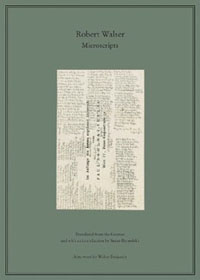 Microscripts
by Robert Walser
New Directions, 2010
160 pages / $25 Buy from Amazon
At their most definable, Robert Walser’s microscripts are meditations, essays, parables, and sometimes distillations of other authors’ works. Then there are more unclassifiable pieces; these are awkward journal entries, truncated portraits, and non-narrative stillnesses. In Microscripts, twenty-five of these handwritten miniatures appear in facsimile form with their English and German translations. Aside from their physical smallness, what the pieces have in common is a narrating voice that often pays self-conscious attention to its language. For Walser, words are a dangerous delight; they easily get away from him and can even embarrass him. Microscripts offers a tacit commentary on the author’s difficult relationship with language and writing, as well as an extension of his artistic project. READ MORE >
1 Comment
August 15th, 2011 / 12:00 pm
August 15th, 2011 / 12:00 pm
Who made who?
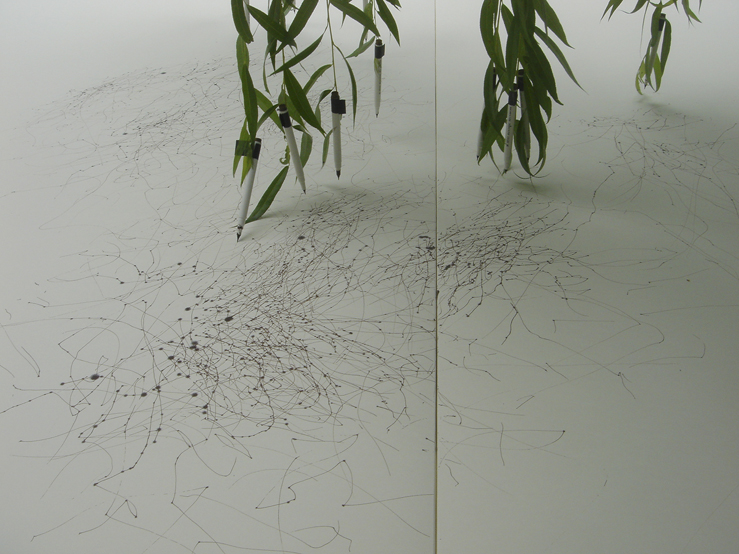
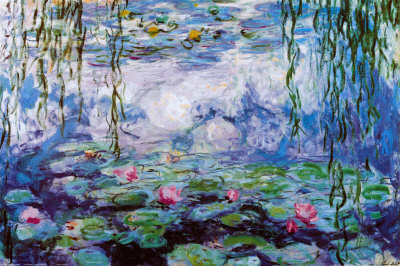 The “art as nature” vs. “nature as art” quandary may not be something we’ll solve today, which is fine, though artist Tim Knowles seems a little closer to the answer, or at least more keen on being the provocateur of such disparity. Is it harmony in entropy, or just taping pens to trees in a some sublime post-MFA bong hit? I don’t know, but I was immediately reminded of Monet’s waterlilies, whose tendrils of weeping willows seem to dance the surface of water in some attempt at recording their presence. Modernism was far less self-conscious, so we’ll leave it to Knowles to beg the question: What if trees, inherent with nature from soil up, were given the chance to flay their mark upon a most glorious human enterprise? What if the tireless human transcript of culture were merely incidental, just some random wind?