 Some thoughts on this question.
1. When posed to a musician friend of mine, he thinks for a while and looks serious and sad, like we’ve just seen a small animal die. Then he says, “I think I would still make music but it would sound much different.” Then he says, “Lets go get ice cream.”
2. We talk a lot about the work being the reward in itself and that’s true because I think having the time to write can feel sometimes really exciting, but it’s also really grim and lonely and makes me angry, morose, anxious, etc. And yet I keep doing it and I feel like my life depends on whether or not I get enough time to work in any given week.
3. One of the most awesome things ever is finding out that a story you published was read and enjoyed and understood by someone, but we don’t talk about the underside to this– that others may have read it and felt disconnected, isolated, ambivalent. I don’t think you can help but think about those people sometimes and feel sad about it.
4. The publishing high lasts about fourteen seconds for me. Then the anxiety about all the stuff I haven’t finished comes back.
5. For the five-ish hours I ideally get to spend writing, I get about twenty cumulative minutes of sincere satisfaction with a specific sentence, passage or phrase and the rest of the time is spent being mildly irritated that I can’t get that sincere satisfaction to stay.
6. Maybe people who make shit really just want to be alone and then for people to later come along and appreciate the product of their aloneness. Maybe this is a way to confirm that being human and necessarily isolated in your own body and mind is ok.
7. Everything I wrote from when I was a little kid (maybe 7) until I was about 20 was for myself. I didn’t want anyone to read it at all. It was its own reward. I wanted to become a psychologist and I never wanted to publish anything. Then I started wanting to publish stuff and then the writing became much more anxious and every paragraph seemed crucial to something.
8. I would keep writing if no one was ever going to read what I had written but I think I’d have to find some other outlet for myself– some creative endeavor or occupation that made me feel like I was reaching someone with something authentic. Writing would become a totally different habit, and I’d probably write less. I would need to read more, too.

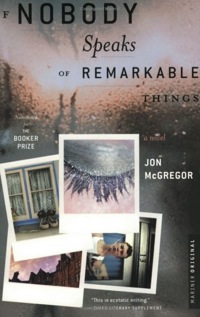 If Nobody Speaks of Remarkable Things