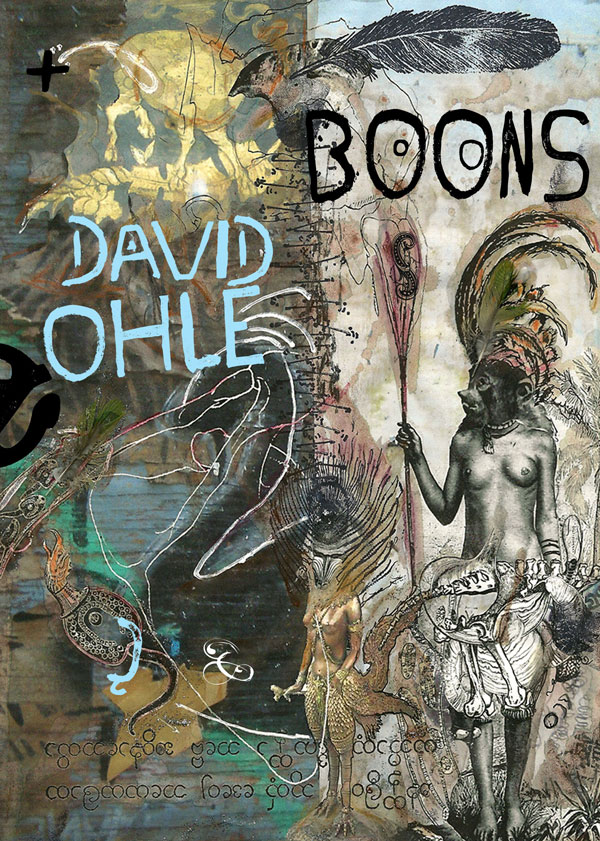
 From his new book, Marbles, published by Turtle Point Press. (Second title down.)
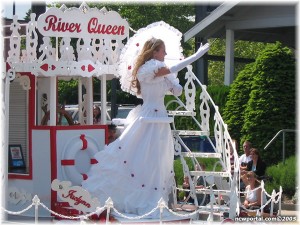
There are sentences so triumphant we imagine we can make out the author in them, waving to us delightedly from a float within the paragraph.
A coworker found this book in our pile of galleys and reader’s copies. More of the pieces from the book here.
I’m curious about the aphorism as a form.
I recall working a temp job—test scoring, I think—where during the New Worker orientation, another contingent employee mentioned that she liked to write, and when asked what sorts of things she wrote, she said she enjoyed writing poetry, stories, and “quotes.” I assume she meant aphorisms, but you never can tell. Maybe she considered writing down things other people had said a kind of writing. Or maybe she thought she was very quotable. In fact, as I have just quoted her “quote” line, she is/was, in a way, kind of quotable.
Are there narrative possibilities in the aphorism, or just poetic ones?

 Perhaps this is old news for some, but Tin House has republished an early David Foster Wallace story, which was, according to Rob Spillman, only previously available in Wallace’s college literary magazine, The Amherst Review. The story is titled “The Planet Trillaphon As It Stands In Relation To The Bad Thing” and is available online in various PDF forms (though I hadn’t even known of its existence until I saw this issue of Tin House).