Even the lyric is informed by its narrative virtues, right, its givens of point of view, place, time, action, aesthetic context, and/or language? Like, Ezra Pound makes no “In a Station of a Metro” without a Metro or an industrial revolution. If nobody ever grieves the dead, Wallace Stevens doesn’t get to make “The Emperor of Ice-Cream.” If there is no modernist movement, how does Gertrude Stein’s Tender Buttons have any resonance to anybody at all?
Even the lyric is informed by its narrative virtues, right, its givens of point of view, place, time, action, aesthetic context, and/or language? Like, Ezra Pound makes no “In a Station of a Metro” without a Metro or an industrial revolution. If nobody ever grieves the dead, Wallace Stevens doesn’t get to make “The Emperor of Ice-Cream.” If there is no modernist movement, how does Gertrude Stein’s Tender Buttons have any resonance to anybody at all?
For anyone who takes pleasure in the pleasures of language there is narrative right there in the language itself. So, brother Butler, I will second your can’t. Devine’s pieces are driven, I think, by sequence and alphabetation. Stein’s Tender Buttons driven by the pleasures of language itself. There is narrative in breathing. In heartbeat. And of course every narrative ends in and is its own death.
For anyone who takes pleasure in the pleasures of language there is narrative right there in the language itself. So, brother Butler, I will second your can’t. Devine’s pieces are driven, I think, by sequence and alphabetation. Stein’s Tender Buttons driven by the pleasures of language itself. There is narrative in breathing. In heartbeat. And of course every narrative ends in and is its own death.
Ever read Sleepers Awake by Kenneth Patchen? I think it’s basically without narrative. Also, some Burroughs is absolutely non-narrative. Like, you can see the shattered bones of the narrative he systematically dismembered, but the text itself presents the aftermath of the narrative’s having been slaughtered–it’s a crime scene, basically–and does not present a viable narrative of any kind, in the same sense that a dead girl is not a prom date.
Ever read Sleepers Awake by Kenneth Patchen? I think it’s basically without narrative. Also, some Burroughs is absolutely non-narrative. Like, you can see the shattered bones of the narrative he systematically dismembered, but the text itself presents the aftermath of the narrative’s having been slaughtered–it’s a crime scene, basically–and does not present a viable narrative of any kind, in the same sense that a dead girl is not a prom date.
Tender Buttons is the greatest stand up comedy routine of all time.
Narrative in sound. Narrative in texture, repetition, narrative in syllable and thought. Narrative in mouth. Narrative in ha ha. Narrative in sitting down with a book for an hour and being with it.
Narrative in one word coming after another. Narrative in symbol of words that have existed for x # of years. Narrative in phraseology. Narrative in whoops. Narrative in the time it takes to put and see on paper. Narrative in the way it worms.
Tender Buttons is the greatest stand up comedy routine of all time.
Narrative in sound. Narrative in texture, repetition, narrative in syllable and thought. Narrative in mouth. Narrative in ha ha. Narrative in sitting down with a book for an hour and being with it.
Narrative in one word coming after another. Narrative in symbol of words that have existed for x # of years. Narrative in phraseology. Narrative in whoops. Narrative in the time it takes to put and see on paper. Narrative in the way it worms.
Narrative of boner, narrative of sickness, narrative of trying not to try. Narrative of accident. Narrative of no accident at all, all the words are words.
Narrative of you don’t have to say anything at all to have a narrative and so the saying itself is narrative alone and the not saying is also a narrative and anyone who thinks one sentence made of sound is more narrative than another is fucking shoulder licker.
Narrative of boner, narrative of sickness, narrative of trying not to try. Narrative of accident. Narrative of no accident at all, all the words are words.
Narrative of you don’t have to say anything at all to have a narrative and so the saying itself is narrative alone and the not saying is also a narrative and anyone who thinks one sentence made of sound is more narrative than another is fucking shoulder licker.
I disagree. A progression of images (I’m thinking of my experience with The Wild Boys) is a narrative, even if it isn’t linear. Yes/no? Certainly not classical structure, but, something is there.
I disagree. A progression of images (I’m thinking of my experience with The Wild Boys) is a narrative, even if it isn’t linear. Yes/no? Certainly not classical structure, but, something is there.
i think WSB is even making fun of the splice-up thing with the newspaper time travel section in Soft Machine. It’s consciously non-narrative narrative.
i think WSB is even making fun of the splice-up thing with the newspaper time travel section in Soft Machine. It’s consciously non-narrative narrative.
nar⋅ra⋅tive
/ˈnærətɪv/ Show Spelled Pronunciation [nar-uh-tiv] Show IPA
Use narrative in a Sentence
See web results for narrative
See images of narrative
–noun
1. a story or account of events, experiences, or the like, whether true or fictitious.
2. a book, literary work, etc., containing such a story.
3. the art, technique, or process of narrating: Somerset Maugham was a master of narrative.
If you want to define narrative as basically God/time/existence, then yeah, I guess it is everything all the time. But if we want to go by the definition above, I think it’s clear that narrative craft is a skill that is developed, and therefore can be employed/exploited or not. Donald Barthelme’s short story, “Nothing,” for example, follows all standard notions of grammar, etc. It’s mostly a list, but still, by your definition, a narrative. But by the dictionary def, inasmuch as it declines to tell a story or offer an accounting of events (indeed, nothing happens in it except that the list gets made, though not made *by* a character) it is, in fact, not a narrative. It does not narrate anything.
nar⋅ra⋅tive
/ˈnærətɪv/ Show Spelled Pronunciation [nar-uh-tiv] Show IPA
Use narrative in a Sentence
See web results for narrative
See images of narrative
–noun
1. a story or account of events, experiences, or the like, whether true or fictitious.
2. a book, literary work, etc., containing such a story.
3. the art, technique, or process of narrating: Somerset Maugham was a master of narrative.
If you want to define narrative as basically God/time/existence, then yeah, I guess it is everything all the time. But if we want to go by the definition above, I think it’s clear that narrative craft is a skill that is developed, and therefore can be employed/exploited or not. Donald Barthelme’s short story, “Nothing,” for example, follows all standard notions of grammar, etc. It’s mostly a list, but still, by your definition, a narrative. But by the dictionary def, inasmuch as it declines to tell a story or offer an accounting of events (indeed, nothing happens in it except that the list gets made, though not made *by* a character) it is, in fact, not a narrative. It does not narrate anything.
i thought for a while beckett’s ping was getting the closest to it, or as close as you can get while still using english language. maybe the codex seraphinianus is the closest otherwise, although the pictures show enough of an arc, but minus the pictures, it sort of has no narrative.
i thought for a while beckett’s ping was getting the closest to it, or as close as you can get while still using english language. maybe the codex seraphinianus is the closest otherwise, although the pictures show enough of an arc, but minus the pictures, it sort of has no narrative.
not everything brakhage did was non-narrative: the autopsy has a clear beginning, middle, and end. so does his wife giving birth. so do a lot of the shorter films. dog star man tells a story. i could make an argument that painting individual film cells is, in a way, creating narrative. the film plays frame by frame, moving forward. maybe that’s pushing it a little too far, though. i don’t know.
not everything brakhage did was non-narrative: the autopsy has a clear beginning, middle, and end. so does his wife giving birth. so do a lot of the shorter films. dog star man tells a story. i could make an argument that painting individual film cells is, in a way, creating narrative. the film plays frame by frame, moving forward. maybe that’s pushing it a little too far, though. i don’t know.
w e
i k os lki ae dkd ao aoa kkkk epaie ;aoiudh ;alidngna;ergnaj ;laland i ai;oenaiodnfajfnweu[oaboija a[osifhd[ojnje euo[u ___98inE klU)jND:foijn;;i ena;n IN”:Eiu’ :oiudbn fio’n dn’aiodn nekl’aeinhdj;akldsgha;onuv;janfv;lkzhjDioh:DKSLfjnhakjldfnv;iucbv’zoc8vh”ODSUjfn;adskngmfcpouv’ocxhgvadsnm/LODJvli/hdgv;l/adskngfliS”PSdhg’oDSIGn’dskfjdsPF:Ouds”Pf9u”ih”LDSKJf:SJDf?j:SDNf/knDSflishdo’ghasdfihnds”LKFnsDLIFhdsI”LfhsLDInf’dslFNds’Ifh’obnKJNVLOjx’pgv09
HGFI’ODHF’LDSFJLDSKFNMDSKLMFNDSKJFBO’fih”OIh”oij’Kmds”FOKNDFIpoJA
pdsiFHzsin”lF’LKsndG’IUOBXHV’ONXCV’LKdsmF’LKMdsF’OIHsFO’IHsd
‘PFIHOaesi”FN”lkdmIodp
VHBVOI’XNV’dslKNFldskF/N/XKZNC,//CVLsdF:odsFOI’dshfOIZDSFlDFNDFFINO”dsoFINds”FOINdsf’OiFN’odisFN”odsiFNds”oFINds”FOINsd”FOINdF’OINXKLNCVKLNCXKNDMNDEKIDJMDKICXJDCKJKJDJHDSKIJFJFIDJFDIKFJHCJXIXIUDHDKIOkcfjcvjifidjdnmfocjzklncxv’lknCX”vklnDS”LVKnD”vklnDV”Lknx’vDSHF’OIdsnF/DKLSNF/DSlkFH”osidHF’oidsnFVL/SKdnf’LSdkCH’OIsdhF’OIDSahNSLSC’
]Xknxcv’lkncxv’lknCv’lknCSV’lknsCV’lknCXV’lkcxnvooIIIIIIIIIIIIIIIIIIIIIIIIIIIIIIIIiJJJJJJJJJJJJJJJJJJJJJJJJDDDDDDDDDDDDDDDDDDDDDDDDDDDDDDOOOOOOOOOOOOOOOOOOOOOOOOOOOOOOOFFFFFFFFFFFFFFFFFFFFFFFFFFFFHHHHHHHHHHHHHHHHHHHHHHHHHHHHHHHHGGGGGGGGGGGGGGGGGGGGGGGBBBBBBBBBBBBBBBBBBBBBBBBBCCCCCCCCCCCCCCCCCCCCCCCCCCCCCCCCPO??????????????????????????????????????????????????????????????????????????????????????????????????????????????????????????????????????????????????????????????????????????????????????????????????????????????????????????????????????????????????????????????????????????????????????????????????????????????????????????????????????????????????????????????????????????????????????????????????????????????????????????????????????
w e
i k os lki ae dkd ao aoa kkkk epaie ;aoiudh ;alidngna;ergnaj ;laland i ai;oenaiodnfajfnweu[oaboija a[osifhd[ojnje euo[u ___98inE klU)jND:foijn;;i ena;n IN”:Eiu’ :oiudbn fio’n dn’aiodn nekl’aeinhdj;akldsgha;onuv;janfv;lkzhjDioh:DKSLfjnhakjldfnv;iucbv’zoc8vh”ODSUjfn;adskngmfcpouv’ocxhgvadsnm/LODJvli/hdgv;l/adskngfliS”PSdhg’oDSIGn’dskfjdsPF:Ouds”Pf9u”ih”LDSKJf:SJDf?j:SDNf/knDSflishdo’ghasdfihnds”LKFnsDLIFhdsI”LfhsLDInf’dslFNds’Ifh’obnKJNVLOjx’pgv09
HGFI’ODHF’LDSFJLDSKFNMDSKLMFNDSKJFBO’fih”OIh”oij’Kmds”FOKNDFIpoJA
pdsiFHzsin”lF’LKsndG’IUOBXHV’ONXCV’LKdsmF’LKMdsF’OIHsFO’IHsd
‘PFIHOaesi”FN”lkdmIodp
VHBVOI’XNV’dslKNFldskF/N/XKZNC,//CVLsdF:odsFOI’dshfOIZDSFlDFNDFFINO”dsoFINds”FOINdsf’OiFN’odisFN”odsiFNds”oFINds”FOINsd”FOINdF’OINXKLNCVKLNCXKNDMNDEKIDJMDKICXJDCKJKJDJHDSKIJFJFIDJFDIKFJHCJXIXIUDHDKIOkcfjcvjifidjdnmfocjzklncxv’lknCX”vklnDS”LVKnD”vklnDV”Lknx’vDSHF’OIdsnF/DKLSNF/DSlkFH”osidHF’oidsnFVL/SKdnf’LSdkCH’OIsdhF’OIDSahNSLSC’
]Xknxcv’lkncxv’lknCv’lknCSV’lknsCV’lknCXV’lkcxnvooIIIIIIIIIIIIIIIIIIIIIIIIIIIIIIIIiJJJJJJJJJJJJJJJJJJJJJJJJDDDDDDDDDDDDDDDDDDDDDDDDDDDDDDOOOOOOOOOOOOOOOOOOOOOOOOOOOOOOOFFFFFFFFFFFFFFFFFFFFFFFFFFFFHHHHHHHHHHHHHHHHHHHHHHHHHHHHHHHHGGGGGGGGGGGGGGGGGGGGGGGBBBBBBBBBBBBBBBBBBBBBBBBBCCCCCCCCCCCCCCCCCCCCCCCCCCCCCCCCPO??????????????????????????????????????????????????????????????????????????????????????????????????????????????????????????????????????????????????????????????????????????????????????????????????????????????????????????????????????????????????????????????????????????????????????????????????????????????????????????????????????????????????????????????????????????????????????????????????????????????????????????????????????
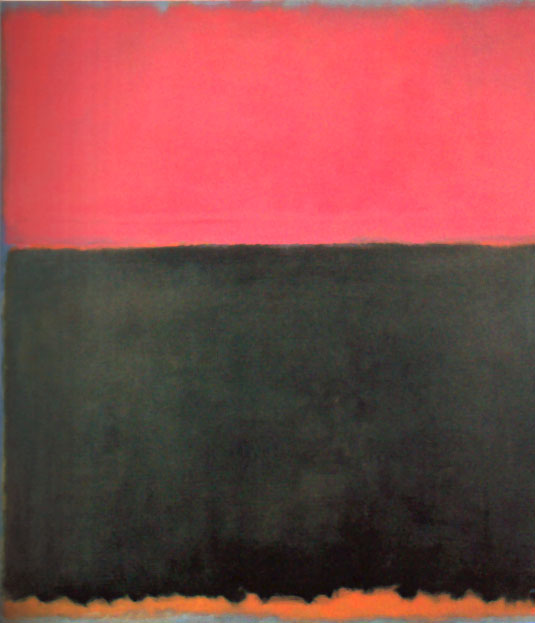
i’m just thinking here, but it seems interesting to think that narrative typically implies a timeline, so i was thinking stills can be non-narrative, but then a lot of them can be really narrative, encapsulating a moment lived as part of a narrative, but then, i do think some minimalist art (mostly paintings) manage a certain degree of non-narrative existence. sculpture i think implies narrative, but maybe certain paintings defy it. although then i suppose you could say they’re part of a historical context, etc. and are therefore tied to a timeline and discourse… what was the question again?
i’m just thinking here, but it seems interesting to think that narrative typically implies a timeline, so i was thinking stills can be non-narrative, but then a lot of them can be really narrative, encapsulating a moment lived as part of a narrative, but then, i do think some minimalist art (mostly paintings) manage a certain degree of non-narrative existence. sculpture i think implies narrative, but maybe certain paintings defy it. although then i suppose you could say they’re part of a historical context, etc. and are therefore tied to a timeline and discourse… what was the question again?
Maybe it’s like this: the only way we know for attempting to access things (art included) is through narrative?
Narrative as definined above.
Even emotional responses, arguably, are linked to previous narratives. (Memories?)
If the art that we are attempting to access is inherently narrative, yay. We look into its narrative-heart. We see what we see.
If the art is not inherently narrative– as BAC’s “without narrative,” above– then in order to access it we must look at it through the narrative-heart of something else: the narrative of the artist who made it, or our own narratives–“you typed that”.
Narratives might just be the only goggles we got. I dunno.
Maybe it’s like this: the only way we know for attempting to access things (art included) is through narrative?
Narrative as definined above.
Even emotional responses, arguably, are linked to previous narratives. (Memories?)
If the art that we are attempting to access is inherently narrative, yay. We look into its narrative-heart. We see what we see.
If the art is not inherently narrative– as BAC’s “without narrative,” above– then in order to access it we must look at it through the narrative-heart of something else: the narrative of the artist who made it, or our own narratives–“you typed that”.
Narratives might just be the only goggles we got. I dunno.
i’m curious to have a rebuke re ping. it’s not not narrative, but nothing is, obviously; semantics. what is narrative sits differently in people’s heads. i can inject narrative into (or exude narrative out of) anything, but is that honest? the only interesting question I think is what is the closest. ping feels to me, not completely unnarrative, but like a conscious attempt to not be narrative, to shrink the narrative so much that its only there as much as a shred (a ping). is there something in which the narrative is so hardly there as ping otherwise? I would like to read it.
i’m curious to have a rebuke re ping. it’s not not narrative, but nothing is, obviously; semantics. what is narrative sits differently in people’s heads. i can inject narrative into (or exude narrative out of) anything, but is that honest? the only interesting question I think is what is the closest. ping feels to me, not completely unnarrative, but like a conscious attempt to not be narrative, to shrink the narrative so much that its only there as much as a shred (a ping). is there something in which the narrative is so hardly there as ping otherwise? I would like to read it.
narrative of the act of being on junk
narrative of the act of getting off of junk
narrative of the act of not being on junk
narrative of the act of all of it at once and cut up and thrown on the floor and picked back up at a later date with fingers damp with piss when the spit stopped coming.
narrative of the act of being on junk
narrative of the act of getting off of junk
narrative of the act of not being on junk
narrative of the act of all of it at once and cut up and thrown on the floor and picked back up at a later date with fingers damp with piss when the spit stopped coming.
i’m going to second justin’s thing, but more because i don’t see why it matters.
the other thing is you can also basically find anything in anything if you are looking for it.
so what.
i’m going to second justin’s thing, but more because i don’t see why it matters.
the other thing is you can also basically find anything in anything if you are looking for it.
so what.
The narrative of the attempt to escape narrative. The narrative of Blake, in Sphinxlike fashion, posing a challenge and the numerous attempts to rise to said challenge. The narrative of the etymology of “sphinx,” connected to strangling and sphincters. The narrative of the question of whether narrative has a stranglehold over all cognition and existence, or whether we are being anal enough about it. The narrative of hashing over definitions. The narrative of whether a word loses its impact when used broadly and loosely. The narrative of the history of attempts to escape narrative, aesthetically productive whether or not eventuating in successful escape.
Rukseyer may have said it best when she wrote that “the universe is made of stories, not atoms.”
The narrative of the attempt to escape narrative. The narrative of Blake, in Sphinxlike fashion, posing a challenge and the numerous attempts to rise to said challenge. The narrative of the etymology of “sphinx,” connected to strangling and sphincters. The narrative of the question of whether narrative has a stranglehold over all cognition and existence, or whether we are being anal enough about it. The narrative of hashing over definitions. The narrative of whether a word loses its impact when used broadly and loosely. The narrative of the history of attempts to escape narrative, aesthetically productive whether or not eventuating in successful escape.
Rukseyer may have said it best when she wrote that “the universe is made of stories, not atoms.”
Blake, have you ever read Jake Chapman’s “Meatphysics”? If I had to pick any artwork I think strains as far as it is able to obliterate narrative, or to reduce narrative to the utter linear insanity of code, of strings of symbols, the math-truth of narrative as nothing in itself, I’d choose it. If you haven’t come across, check it out and you’ll see what I mean. Not sure if it goes beyond narrative, if anything can, but if not, it’s certainly narrative’s cellar.
Blake, have you ever read Jake Chapman’s “Meatphysics”? If I had to pick any artwork I think strains as far as it is able to obliterate narrative, or to reduce narrative to the utter linear insanity of code, of strings of symbols, the math-truth of narrative as nothing in itself, I’d choose it. If you haven’t come across, check it out and you’ll see what I mean. Not sure if it goes beyond narrative, if anything can, but if not, it’s certainly narrative’s cellar.
by the consensus definition emerging from this conversation the word “narrative” just wouldn’t be worth using any more. well and good and also critically defensible. but also, what’s the point?
by my definition, tender buttons doesn’t have a narrative, but it may have for stein, and i can apply my own to it (this is a natural human tendency; see, for ex, gestalt psychology).
but try swapping out the word “narrative” with any other word. try “quality.” always going to be critically defensible, but i still don’t see the point.
it reminds me of the conversation in white noise between jack gladney and his son heinrich about whether it’s actually raining. the issue is where “narrative” falls relationally. sure, nothing’s objective any more, but i think most english speakers can and should agree that it’s raining when it’s raining where they are. in france, il pleut.
by the consensus definition emerging from this conversation the word “narrative” just wouldn’t be worth using any more. well and good and also critically defensible. but also, what’s the point?
by my definition, tender buttons doesn’t have a narrative, but it may have for stein, and i can apply my own to it (this is a natural human tendency; see, for ex, gestalt psychology).
but try swapping out the word “narrative” with any other word. try “quality.” always going to be critically defensible, but i still don’t see the point.
it reminds me of the conversation in white noise between jack gladney and his son heinrich about whether it’s actually raining. the issue is where “narrative” falls relationally. sure, nothing’s objective any more, but i think most english speakers can and should agree that it’s raining when it’s raining where they are. in france, il pleut.
Per Mr. Taylor’s definition of “narrative,” the word as it’s used in so-called “creative writing” is pretty much shorthand for “dynamics of conventional story structure.”
I agree that poems or Markson etc have narrative per the third definition in terms of “narration,” and that paring fingernails has “narrative,” but when people say “narrative” they tend to mean “story,” and when they say “story,” they tend to use that word in a semi-yucky Glimmer Train sense, I think. Narrative drive etc.
Per Mr. Taylor’s definition of “narrative,” the word as it’s used in so-called “creative writing” is pretty much shorthand for “dynamics of conventional story structure.”
I agree that poems or Markson etc have narrative per the third definition in terms of “narration,” and that paring fingernails has “narrative,” but when people say “narrative” they tend to mean “story,” and when they say “story,” they tend to use that word in a semi-yucky Glimmer Train sense, I think. Narrative drive etc.
i have to agree with christian above. once you apply ‘narrative’ to everything, it becomes essentially pointless. if everything is narrative then nothing is narrative and what’s the point of talking about this anymore?
that to me is boring, and useless. worse than useless.
i have to agree with christian above. once you apply ‘narrative’ to everything, it becomes essentially pointless. if everything is narrative then nothing is narrative and what’s the point of talking about this anymore?
that to me is boring, and useless. worse than useless.
because the human head requires narrative, needs it to function, craves it, makes it wherever it goes. but what narrative to the sun rising and falling without us?
because the human head requires narrative, needs it to function, craves it, makes it wherever it goes. but what narrative to the sun rising and falling without us?
So much has implied narrative. But literal narrative only comes via a crafted arc. I suppose I may be cutting the proverbial hairs, but I like to think that my years of story-writing are more consious and improtant than any damn thing someone may happen upon in his/her daily life.
So much has implied narrative. But literal narrative only comes via a crafted arc. I suppose I may be cutting the proverbial hairs, but I like to think that my years of story-writing are more consious and improtant than any damn thing someone may happen upon in his/her daily life.
no. that’s just wrong. narrative is simple: beginning, middle, end. a blank page has no narrative. the reasons for the blank page, how the reader feel, are not a narrative.
no. that’s just wrong. narrative is simple: beginning, middle, end. a blank page has no narrative. the reasons for the blank page, how the reader feel, are not a narrative.
i remember reading, as a child, a book named “dirty jokes” (or something similar) which illustrated brilliant use of a blank page. the name of the page in the table of contents was titled “jokes for blind people” and the page was utterly blank.
the fact a person would choose to put 1133 pages of blank IS narrative. You just don’t understand it, but the author does.
only something unborn would be without narration.
i don’t understand the debate though. what does it matter?
i remember reading, as a child, a book named “dirty jokes” (or something similar) which illustrated brilliant use of a blank page. the name of the page in the table of contents was titled “jokes for blind people” and the page was utterly blank.
the fact a person would choose to put 1133 pages of blank IS narrative. You just don’t understand it, but the author does.
only something unborn would be without narration.
i don’t understand the debate though. what does it matter?
I like theory, but yeah, it’s not as fun as actually writing, but you might say the same thing about reading in general – writing might be more fun, but reading is still valuable. Also, theory’s writing, too, right?
I think the problem is that people will use a term like narrative to mean a spectrum of things – for one person, it’s plot, for another (what I’m getting from Blake’s definition) it’s anything written. I think it’s useful to have a term that encompasses ‘the act of narrating’ which yeah, it’s probably hard to find a written work that’s not narrated. So yeah, you could say the only requirement for ‘a story’ is a POV, meaning a narrator which leads to the conclusion that if something is narrated, then it’s got narrative. I think the other requirement is a medium. Maybe you could argue that a story within somebody’s head lacks media, but I’m not sure how useful that is to argue – I think you could make case that thought is media – that thoughts are mediated. Anyway.
That doesn’t answer the question about why the question was posed, but I think what Blake’s getting at is that some use the terms narrative and plot interchangeably – for example, calling Beckett’s Unnameable (or such) ‘non-narrative’ when if we go with a wider definition isn’t true.
I like theory, but yeah, it’s not as fun as actually writing, but you might say the same thing about reading in general – writing might be more fun, but reading is still valuable. Also, theory’s writing, too, right?
I think the problem is that people will use a term like narrative to mean a spectrum of things – for one person, it’s plot, for another (what I’m getting from Blake’s definition) it’s anything written. I think it’s useful to have a term that encompasses ‘the act of narrating’ which yeah, it’s probably hard to find a written work that’s not narrated. So yeah, you could say the only requirement for ‘a story’ is a POV, meaning a narrator which leads to the conclusion that if something is narrated, then it’s got narrative. I think the other requirement is a medium. Maybe you could argue that a story within somebody’s head lacks media, but I’m not sure how useful that is to argue – I think you could make case that thought is media – that thoughts are mediated. Anyway.
That doesn’t answer the question about why the question was posed, but I think what Blake’s getting at is that some use the terms narrative and plot interchangeably – for example, calling Beckett’s Unnameable (or such) ‘non-narrative’ when if we go with a wider definition isn’t true.
deleuze seems to suggest that francis bacon achieved, in his Figures, some level of non-narrative art via “matters of fact” and painting with sensations: http://tinyurl.com/lg3bwk
it seems like the question then would be whether or not these “sensations” are just another narrative device, albeit one of a more primal nature than the intellectualized “story.”
deleuze seems to suggest that francis bacon achieved, in his Figures, some level of non-narrative art via “matters of fact” and painting with sensations: http://tinyurl.com/lg3bwk
it seems like the question then would be whether or not these “sensations” are just another narrative device, albeit one of a more primal nature than the intellectualized “story.”
It was last published by Creation and is OOP but if you go to its listing on Amazon sellers, there’s a $12 new copy available now, ships within US. You should snap it up. If someone snaps it before you snap it, let me know and I’ll send you an email you with some other ideas.
It was last published by Creation and is OOP but if you go to its listing on Amazon sellers, there’s a $12 new copy available now, ships within US. You should snap it up. If someone snaps it before you snap it, let me know and I’ll send you an email you with some other ideas.
[…] david peak, and others about the nature of narrative, how one might be able to escape it (damn you Blake Butler, but not really), whether Blake had a point about a lack of Ulysses-esque proportions in […]

Even the lyric is informed by its narrative virtues, right, its givens of point of view, place, time, action, aesthetic context, and/or language? Like, Ezra Pound makes no “In a Station of a Metro” without a Metro or an industrial revolution. If nobody ever grieves the dead, Wallace Stevens doesn’t get to make “The Emperor of Ice-Cream.” If there is no modernist movement, how does Gertrude Stein’s Tender Buttons have any resonance to anybody at all?
Even the lyric is informed by its narrative virtues, right, its givens of point of view, place, time, action, aesthetic context, and/or language? Like, Ezra Pound makes no “In a Station of a Metro” without a Metro or an industrial revolution. If nobody ever grieves the dead, Wallace Stevens doesn’t get to make “The Emperor of Ice-Cream.” If there is no modernist movement, how does Gertrude Stein’s Tender Buttons have any resonance to anybody at all?
i really needed to hear this today.
i really needed to hear this today.
Tender Buttons is close. Andy Devine’s work is close, probably no-narrative for skimmers.
Tender Buttons is close. Andy Devine’s work is close, probably no-narrative for skimmers.
tell do tell
tell do tell
For anyone who takes pleasure in the pleasures of language there is narrative right there in the language itself. So, brother Butler, I will second your can’t. Devine’s pieces are driven, I think, by sequence and alphabetation. Stein’s Tender Buttons driven by the pleasures of language itself. There is narrative in breathing. In heartbeat. And of course every narrative ends in and is its own death.
For anyone who takes pleasure in the pleasures of language there is narrative right there in the language itself. So, brother Butler, I will second your can’t. Devine’s pieces are driven, I think, by sequence and alphabetation. Stein’s Tender Buttons driven by the pleasures of language itself. There is narrative in breathing. In heartbeat. And of course every narrative ends in and is its own death.
Ever read Sleepers Awake by Kenneth Patchen? I think it’s basically without narrative. Also, some Burroughs is absolutely non-narrative. Like, you can see the shattered bones of the narrative he systematically dismembered, but the text itself presents the aftermath of the narrative’s having been slaughtered–it’s a crime scene, basically–and does not present a viable narrative of any kind, in the same sense that a dead girl is not a prom date.
Then there’s the question in reply to your question, which is- why would I want to?
Ever read Sleepers Awake by Kenneth Patchen? I think it’s basically without narrative. Also, some Burroughs is absolutely non-narrative. Like, you can see the shattered bones of the narrative he systematically dismembered, but the text itself presents the aftermath of the narrative’s having been slaughtered–it’s a crime scene, basically–and does not present a viable narrative of any kind, in the same sense that a dead girl is not a prom date.
Then there’s the question in reply to your question, which is- why would I want to?
Tender Buttons is the greatest stand up comedy routine of all time.
Narrative in sound. Narrative in texture, repetition, narrative in syllable and thought. Narrative in mouth. Narrative in ha ha. Narrative in sitting down with a book for an hour and being with it.
Narrative in one word coming after another. Narrative in symbol of words that have existed for x # of years. Narrative in phraseology. Narrative in whoops. Narrative in the time it takes to put and see on paper. Narrative in the way it worms.
Narrative.
Tender Buttons is the greatest stand up comedy routine of all time.
Narrative in sound. Narrative in texture, repetition, narrative in syllable and thought. Narrative in mouth. Narrative in ha ha. Narrative in sitting down with a book for an hour and being with it.
Narrative in one word coming after another. Narrative in symbol of words that have existed for x # of years. Narrative in phraseology. Narrative in whoops. Narrative in the time it takes to put and see on paper. Narrative in the way it worms.
Narrative.
Devine is a narrative weaver akin to Sophocles.
Narrative of silence. Narrative of structure, syntax, mouth. Narrative of ha ha. Narrative of “you do it, asshole.” Narrative of nothing.
See also Gertrude Stein above.
Devine is a narrative weaver akin to Sophocles.
Narrative of silence. Narrative of structure, syntax, mouth. Narrative of ha ha. Narrative of “you do it, asshole.” Narrative of nothing.
See also Gertrude Stein above.
Narrative of Peter Markus.
Narrative of Peter Markus.
I agree with you; can’t escape it/thought is narrative and unless a book comes which makes you numb then __________. I said close. :)
I agree with you; can’t escape it/thought is narrative and unless a book comes which makes you numb then __________. I said close. :)
Burroughs?
Narrative of boner, narrative of sickness, narrative of trying not to try. Narrative of accident. Narrative of no accident at all, all the words are words.
Narrative of you don’t have to say anything at all to have a narrative and so the saying itself is narrative alone and the not saying is also a narrative and anyone who thinks one sentence made of sound is more narrative than another is fucking shoulder licker.
See also Devine above and Stein above.
etc.
Because you can’t.
Burroughs?
Narrative of boner, narrative of sickness, narrative of trying not to try. Narrative of accident. Narrative of no accident at all, all the words are words.
Narrative of you don’t have to say anything at all to have a narrative and so the saying itself is narrative alone and the not saying is also a narrative and anyone who thinks one sentence made of sound is more narrative than another is fucking shoulder licker.
See also Devine above and Stein above.
etc.
Because you can’t.
I disagree. A progression of images (I’m thinking of my experience with The Wild Boys) is a narrative, even if it isn’t linear. Yes/no? Certainly not classical structure, but, something is there.
I disagree. A progression of images (I’m thinking of my experience with The Wild Boys) is a narrative, even if it isn’t linear. Yes/no? Certainly not classical structure, but, something is there.
I shoulda said first: Which Burroughs?! :)
I shoulda said first: Which Burroughs?! :)
i think WSB is even making fun of the splice-up thing with the newspaper time travel section in Soft Machine. It’s consciously non-narrative narrative.
i think WSB is even making fun of the splice-up thing with the newspaper time travel section in Soft Machine. It’s consciously non-narrative narrative.
Narrative of definition of narrative-
nar⋅ra⋅tive
/ˈnærətɪv/ Show Spelled Pronunciation [nar-uh-tiv] Show IPA
Use narrative in a Sentence
See web results for narrative
See images of narrative
–noun
1. a story or account of events, experiences, or the like, whether true or fictitious.
2. a book, literary work, etc., containing such a story.
3. the art, technique, or process of narrating: Somerset Maugham was a master of narrative.
If you want to define narrative as basically God/time/existence, then yeah, I guess it is everything all the time. But if we want to go by the definition above, I think it’s clear that narrative craft is a skill that is developed, and therefore can be employed/exploited or not. Donald Barthelme’s short story, “Nothing,” for example, follows all standard notions of grammar, etc. It’s mostly a list, but still, by your definition, a narrative. But by the dictionary def, inasmuch as it declines to tell a story or offer an accounting of events (indeed, nothing happens in it except that the list gets made, though not made *by* a character) it is, in fact, not a narrative. It does not narrate anything.
Narrative of definition of narrative-
nar⋅ra⋅tive
/ˈnærətɪv/ Show Spelled Pronunciation [nar-uh-tiv] Show IPA
Use narrative in a Sentence
See web results for narrative
See images of narrative
–noun
1. a story or account of events, experiences, or the like, whether true or fictitious.
2. a book, literary work, etc., containing such a story.
3. the art, technique, or process of narrating: Somerset Maugham was a master of narrative.
If you want to define narrative as basically God/time/existence, then yeah, I guess it is everything all the time. But if we want to go by the definition above, I think it’s clear that narrative craft is a skill that is developed, and therefore can be employed/exploited or not. Donald Barthelme’s short story, “Nothing,” for example, follows all standard notions of grammar, etc. It’s mostly a list, but still, by your definition, a narrative. But by the dictionary def, inasmuch as it declines to tell a story or offer an accounting of events (indeed, nothing happens in it except that the list gets made, though not made *by* a character) it is, in fact, not a narrative. It does not narrate anything.
i thought for a while beckett’s ping was getting the closest to it, or as close as you can get while still using english language. maybe the codex seraphinianus is the closest otherwise, although the pictures show enough of an arc, but minus the pictures, it sort of has no narrative.
i thought for a while beckett’s ping was getting the closest to it, or as close as you can get while still using english language. maybe the codex seraphinianus is the closest otherwise, although the pictures show enough of an arc, but minus the pictures, it sort of has no narrative.
“the art, technique, or process of narrating”
“the art, technique, or process of narrating”
cutting your fingernails has narrative
a book full of scribble has narrative
this is my last comment
cutting your fingernails has narrative
a book full of scribble has narrative
this is my last comment
http://en.wikipedia.org/wiki/Stan_Brakhage
study yr history
http://en.wikipedia.org/wiki/Stan_Brakhage
study yr history
The fingernail, once clipped, fell dead from the finger.
End of story: beginning, middle, end.
It’s got it all in one sentence: Image. Suggestion. Dare I say even meaning?
Dare I say narrative drive?
The fingernail, once clipped, fell dead from the finger.
End of story: beginning, middle, end.
It’s got it all in one sentence: Image. Suggestion. Dare I say even meaning?
Dare I say narrative drive?
not everything brakhage did was non-narrative: the autopsy has a clear beginning, middle, and end. so does his wife giving birth. so do a lot of the shorter films. dog star man tells a story. i could make an argument that painting individual film cells is, in a way, creating narrative. the film plays frame by frame, moving forward. maybe that’s pushing it a little too far, though. i don’t know.
not everything brakhage did was non-narrative: the autopsy has a clear beginning, middle, and end. so does his wife giving birth. so do a lot of the shorter films. dog star man tells a story. i could make an argument that painting individual film cells is, in a way, creating narrative. the film plays frame by frame, moving forward. maybe that’s pushing it a little too far, though. i don’t know.
If you don’t think Brakhage’s beautiful image strings have narrative you are dead in the mind.
If you don’t think Brakhage’s beautiful image strings have narrative you are dead in the mind.
brakhage has been quoted as saying that “narrative film” is his “church”
brakhage has been quoted as saying that “narrative film” is his “church”
without narrative:
w e
i k os lki ae dkd ao aoa kkkk epaie ;aoiudh ;alidngna;ergnaj ;laland i ai;oenaiodnfajfnweu[oaboija a[osifhd[ojnje euo[u ___98inE klU)jND:foijn;;i ena;n IN”:Eiu’ :oiudbn fio’n dn’aiodn nekl’aeinhdj;akldsgha;onuv;janfv;lkzhjDioh:DKSLfjnhakjldfnv;iucbv’zoc8vh”ODSUjfn;adskngmfcpouv’ocxhgvadsnm/LODJvli/hdgv;l/adskngfliS”PSdhg’oDSIGn’dskfjdsPF:Ouds”Pf9u”ih”LDSKJf:SJDf?j:SDNf/knDSflishdo’ghasdfihnds”LKFnsDLIFhdsI”LfhsLDInf’dslFNds’Ifh’obnKJNVLOjx’pgv09
HGFI’ODHF’LDSFJLDSKFNMDSKLMFNDSKJFBO’fih”OIh”oij’Kmds”FOKNDFIpoJA
pdsiFHzsin”lF’LKsndG’IUOBXHV’ONXCV’LKdsmF’LKMdsF’OIHsFO’IHsd
‘PFIHOaesi”FN”lkdmIodp
VHBVOI’XNV’dslKNFldskF/N/XKZNC,//CVLsdF:odsFOI’dshfOIZDSFlDFNDFFINO”dsoFINds”FOINdsf’OiFN’odisFN”odsiFNds”oFINds”FOINsd”FOINdF’OINXKLNCVKLNCXKNDMNDEKIDJMDKICXJDCKJKJDJHDSKIJFJFIDJFDIKFJHCJXIXIUDHDKIOkcfjcvjifidjdnmfocjzklncxv’lknCX”vklnDS”LVKnD”vklnDV”Lknx’vDSHF’OIdsnF/DKLSNF/DSlkFH”osidHF’oidsnFVL/SKdnf’LSdkCH’OIsdhF’OIDSahNSLSC’
]Xknxcv’lkncxv’lknCv’lknCSV’lknsCV’lknCXV’lkcxnvooIIIIIIIIIIIIIIIIIIIIIIIIIIIIIIIIiJJJJJJJJJJJJJJJJJJJJJJJJDDDDDDDDDDDDDDDDDDDDDDDDDDDDDDOOOOOOOOOOOOOOOOOOOOOOOOOOOOOOOFFFFFFFFFFFFFFFFFFFFFFFFFFFFHHHHHHHHHHHHHHHHHHHHHHHHHHHHHHHHGGGGGGGGGGGGGGGGGGGGGGGBBBBBBBBBBBBBBBBBBBBBBBBBCCCCCCCCCCCCCCCCCCCCCCCCCCCCCCCCPO??????????????????????????????????????????????????????????????????????????????????????????????????????????????????????????????????????????????????????????????????????????????????????????????????????????????????????????????????????????????????????????????????????????????????????????????????????????????????????????????????????????????????????????????????????????????????????????????????????????????????????????????????????
without narrative:
w e
i k os lki ae dkd ao aoa kkkk epaie ;aoiudh ;alidngna;ergnaj ;laland i ai;oenaiodnfajfnweu[oaboija a[osifhd[ojnje euo[u ___98inE klU)jND:foijn;;i ena;n IN”:Eiu’ :oiudbn fio’n dn’aiodn nekl’aeinhdj;akldsgha;onuv;janfv;lkzhjDioh:DKSLfjnhakjldfnv;iucbv’zoc8vh”ODSUjfn;adskngmfcpouv’ocxhgvadsnm/LODJvli/hdgv;l/adskngfliS”PSdhg’oDSIGn’dskfjdsPF:Ouds”Pf9u”ih”LDSKJf:SJDf?j:SDNf/knDSflishdo’ghasdfihnds”LKFnsDLIFhdsI”LfhsLDInf’dslFNds’Ifh’obnKJNVLOjx’pgv09
HGFI’ODHF’LDSFJLDSKFNMDSKLMFNDSKJFBO’fih”OIh”oij’Kmds”FOKNDFIpoJA
pdsiFHzsin”lF’LKsndG’IUOBXHV’ONXCV’LKdsmF’LKMdsF’OIHsFO’IHsd
‘PFIHOaesi”FN”lkdmIodp
VHBVOI’XNV’dslKNFldskF/N/XKZNC,//CVLsdF:odsFOI’dshfOIZDSFlDFNDFFINO”dsoFINds”FOINdsf’OiFN’odisFN”odsiFNds”oFINds”FOINsd”FOINdF’OINXKLNCVKLNCXKNDMNDEKIDJMDKICXJDCKJKJDJHDSKIJFJFIDJFDIKFJHCJXIXIUDHDKIOkcfjcvjifidjdnmfocjzklncxv’lknCX”vklnDS”LVKnD”vklnDV”Lknx’vDSHF’OIdsnF/DKLSNF/DSlkFH”osidHF’oidsnFVL/SKdnf’LSdkCH’OIsdhF’OIDSahNSLSC’
]Xknxcv’lkncxv’lknCv’lknCSV’lknsCV’lknCXV’lkcxnvooIIIIIIIIIIIIIIIIIIIIIIIIIIIIIIIIiJJJJJJJJJJJJJJJJJJJJJJJJDDDDDDDDDDDDDDDDDDDDDDDDDDDDDDOOOOOOOOOOOOOOOOOOOOOOOOOOOOOOOFFFFFFFFFFFFFFFFFFFFFFFFFFFFHHHHHHHHHHHHHHHHHHHHHHHHHHHHHHHHGGGGGGGGGGGGGGGGGGGGGGGBBBBBBBBBBBBBBBBBBBBBBBBBCCCCCCCCCCCCCCCCCCCCCCCCCCCCCCCCPO??????????????????????????????????????????????????????????????????????????????????????????????????????????????????????????????????????????????????????????????????????????????????????????????????????????????????????????????????????????????????????????????????????????????????????????????????????????????????????????????????????????????????????????????????????????????????????????????????????????????????????????????????????
you typed that.
you typed that.
i’m just thinking here, but it seems interesting to think that narrative typically implies a timeline, so i was thinking stills can be non-narrative, but then a lot of them can be really narrative, encapsulating a moment lived as part of a narrative, but then, i do think some minimalist art (mostly paintings) manage a certain degree of non-narrative existence. sculpture i think implies narrative, but maybe certain paintings defy it. although then i suppose you could say they’re part of a historical context, etc. and are therefore tied to a timeline and discourse… what was the question again?
i’m just thinking here, but it seems interesting to think that narrative typically implies a timeline, so i was thinking stills can be non-narrative, but then a lot of them can be really narrative, encapsulating a moment lived as part of a narrative, but then, i do think some minimalist art (mostly paintings) manage a certain degree of non-narrative existence. sculpture i think implies narrative, but maybe certain paintings defy it. although then i suppose you could say they’re part of a historical context, etc. and are therefore tied to a timeline and discourse… what was the question again?
hooray!
hooray!
Maybe it’s like this: the only way we know for attempting to access things (art included) is through narrative?
Narrative as definined above.
Even emotional responses, arguably, are linked to previous narratives. (Memories?)
If the art that we are attempting to access is inherently narrative, yay. We look into its narrative-heart. We see what we see.
If the art is not inherently narrative– as BAC’s “without narrative,” above– then in order to access it we must look at it through the narrative-heart of something else: the narrative of the artist who made it, or our own narratives–“you typed that”.
Narratives might just be the only goggles we got. I dunno.
Maybe it’s like this: the only way we know for attempting to access things (art included) is through narrative?
Narrative as definined above.
Even emotional responses, arguably, are linked to previous narratives. (Memories?)
If the art that we are attempting to access is inherently narrative, yay. We look into its narrative-heart. We see what we see.
If the art is not inherently narrative– as BAC’s “without narrative,” above– then in order to access it we must look at it through the narrative-heart of something else: the narrative of the artist who made it, or our own narratives–“you typed that”.
Narratives might just be the only goggles we got. I dunno.
i’m curious to have a rebuke re ping. it’s not not narrative, but nothing is, obviously; semantics. what is narrative sits differently in people’s heads. i can inject narrative into (or exude narrative out of) anything, but is that honest? the only interesting question I think is what is the closest. ping feels to me, not completely unnarrative, but like a conscious attempt to not be narrative, to shrink the narrative so much that its only there as much as a shred (a ping). is there something in which the narrative is so hardly there as ping otherwise? I would like to read it.
i’m curious to have a rebuke re ping. it’s not not narrative, but nothing is, obviously; semantics. what is narrative sits differently in people’s heads. i can inject narrative into (or exude narrative out of) anything, but is that honest? the only interesting question I think is what is the closest. ping feels to me, not completely unnarrative, but like a conscious attempt to not be narrative, to shrink the narrative so much that its only there as much as a shred (a ping). is there something in which the narrative is so hardly there as ping otherwise? I would like to read it.
narrative of the act of being on junk
narrative of the act of getting off of junk
narrative of the act of not being on junk
narrative of the act of all of it at once and cut up and thrown on the floor and picked back up at a later date with fingers damp with piss when the spit stopped coming.
narrative of the act of being on junk
narrative of the act of getting off of junk
narrative of the act of not being on junk
narrative of the act of all of it at once and cut up and thrown on the floor and picked back up at a later date with fingers damp with piss when the spit stopped coming.
i’m going to second justin’s thing, but more because i don’t see why it matters.
the other thing is you can also basically find anything in anything if you are looking for it.
so what.
i’m going to second justin’s thing, but more because i don’t see why it matters.
the other thing is you can also basically find anything in anything if you are looking for it.
so what.
tl;dr
tl;dr
Still, there are degrees of narrativeness. Charles Dickens is more narrativish than Charles Bernstein.
Still, there are degrees of narrativeness. Charles Dickens is more narrativish than Charles Bernstein.
The narrative of the attempt to escape narrative. The narrative of Blake, in Sphinxlike fashion, posing a challenge and the numerous attempts to rise to said challenge. The narrative of the etymology of “sphinx,” connected to strangling and sphincters. The narrative of the question of whether narrative has a stranglehold over all cognition and existence, or whether we are being anal enough about it. The narrative of hashing over definitions. The narrative of whether a word loses its impact when used broadly and loosely. The narrative of the history of attempts to escape narrative, aesthetically productive whether or not eventuating in successful escape.
Rukseyer may have said it best when she wrote that “the universe is made of stories, not atoms.”
The narrative of the attempt to escape narrative. The narrative of Blake, in Sphinxlike fashion, posing a challenge and the numerous attempts to rise to said challenge. The narrative of the etymology of “sphinx,” connected to strangling and sphincters. The narrative of the question of whether narrative has a stranglehold over all cognition and existence, or whether we are being anal enough about it. The narrative of hashing over definitions. The narrative of whether a word loses its impact when used broadly and loosely. The narrative of the history of attempts to escape narrative, aesthetically productive whether or not eventuating in successful escape.
Rukseyer may have said it best when she wrote that “the universe is made of stories, not atoms.”
a 1133 page book of blank pages.
booyah!
a 1133 page book of blank pages.
booyah!
Blake, have you ever read Jake Chapman’s “Meatphysics”? If I had to pick any artwork I think strains as far as it is able to obliterate narrative, or to reduce narrative to the utter linear insanity of code, of strings of symbols, the math-truth of narrative as nothing in itself, I’d choose it. If you haven’t come across, check it out and you’ll see what I mean. Not sure if it goes beyond narrative, if anything can, but if not, it’s certainly narrative’s cellar.
Blake, have you ever read Jake Chapman’s “Meatphysics”? If I had to pick any artwork I think strains as far as it is able to obliterate narrative, or to reduce narrative to the utter linear insanity of code, of strings of symbols, the math-truth of narrative as nothing in itself, I’d choose it. If you haven’t come across, check it out and you’ll see what I mean. Not sure if it goes beyond narrative, if anything can, but if not, it’s certainly narrative’s cellar.
Breaking the narrative is a narrative.
Breaking the narrative is a narrative.
‘1133’ contains a narrative. The reasons for the pages being blank, and the reader’s reception of them, is also narrative.
‘1133’ contains a narrative. The reasons for the pages being blank, and the reader’s reception of them, is also narrative.
The struggle to put together a narrative can be hard to watch: http://www.youtube.com/watch?v=f2IiMEbMnPM
The struggle to put together a narrative can be hard to watch: http://www.youtube.com/watch?v=f2IiMEbMnPM
Much, much worse: http://www.youtube.com/watch?v=zMm_DrHYCD0
Much, much worse: http://www.youtube.com/watch?v=zMm_DrHYCD0
by the consensus definition emerging from this conversation the word “narrative” just wouldn’t be worth using any more. well and good and also critically defensible. but also, what’s the point?
by my definition, tender buttons doesn’t have a narrative, but it may have for stein, and i can apply my own to it (this is a natural human tendency; see, for ex, gestalt psychology).
but try swapping out the word “narrative” with any other word. try “quality.” always going to be critically defensible, but i still don’t see the point.
it reminds me of the conversation in white noise between jack gladney and his son heinrich about whether it’s actually raining. the issue is where “narrative” falls relationally. sure, nothing’s objective any more, but i think most english speakers can and should agree that it’s raining when it’s raining where they are. in france, il pleut.
by the consensus definition emerging from this conversation the word “narrative” just wouldn’t be worth using any more. well and good and also critically defensible. but also, what’s the point?
by my definition, tender buttons doesn’t have a narrative, but it may have for stein, and i can apply my own to it (this is a natural human tendency; see, for ex, gestalt psychology).
but try swapping out the word “narrative” with any other word. try “quality.” always going to be critically defensible, but i still don’t see the point.
it reminds me of the conversation in white noise between jack gladney and his son heinrich about whether it’s actually raining. the issue is where “narrative” falls relationally. sure, nothing’s objective any more, but i think most english speakers can and should agree that it’s raining when it’s raining where they are. in france, il pleut.
Guy seems like he’s being a goofball, but yeah, worse for sure.
Guy seems like he’s being a goofball, but yeah, worse for sure.
[blake, this non comment, up until now, has not had a narrative. i’m showing it to you. make sure you are looking at the right thing]
[blake, this non comment, up until now, has not had a narrative. i’m showing it to you. make sure you are looking at the right thing]
oh that reminds me…. my zen essay at the new yinzer has no narrative
oh that reminds me…. my zen essay at the new yinzer has no narrative
Per Mr. Taylor’s definition of “narrative,” the word as it’s used in so-called “creative writing” is pretty much shorthand for “dynamics of conventional story structure.”
I agree that poems or Markson etc have narrative per the third definition in terms of “narration,” and that paring fingernails has “narrative,” but when people say “narrative” they tend to mean “story,” and when they say “story,” they tend to use that word in a semi-yucky Glimmer Train sense, I think. Narrative drive etc.
Per Mr. Taylor’s definition of “narrative,” the word as it’s used in so-called “creative writing” is pretty much shorthand for “dynamics of conventional story structure.”
I agree that poems or Markson etc have narrative per the third definition in terms of “narration,” and that paring fingernails has “narrative,” but when people say “narrative” they tend to mean “story,” and when they say “story,” they tend to use that word in a semi-yucky Glimmer Train sense, I think. Narrative drive etc.
.
i have to agree with christian above. once you apply ‘narrative’ to everything, it becomes essentially pointless. if everything is narrative then nothing is narrative and what’s the point of talking about this anymore?
that to me is boring, and useless. worse than useless.
i have to agree with christian above. once you apply ‘narrative’ to everything, it becomes essentially pointless. if everything is narrative then nothing is narrative and what’s the point of talking about this anymore?
that to me is boring, and useless. worse than useless.
If I had had a college band, I would have made a strong bid for it to be called Worse Than Useless.
If I had had a college band, I would have made a strong bid for it to be called Worse Than Useless.
because the human head requires narrative, needs it to function, craves it, makes it wherever it goes. but what narrative to the sun rising and falling without us?
because the human head requires narrative, needs it to function, craves it, makes it wherever it goes. but what narrative to the sun rising and falling without us?
So much has implied narrative. But literal narrative only comes via a crafted arc. I suppose I may be cutting the proverbial hairs, but I like to think that my years of story-writing are more consious and improtant than any damn thing someone may happen upon in his/her daily life.
So much has implied narrative. But literal narrative only comes via a crafted arc. I suppose I may be cutting the proverbial hairs, but I like to think that my years of story-writing are more consious and improtant than any damn thing someone may happen upon in his/her daily life.
hmmm that’s not bad. maybe i should use it, write some lyrics about how blake butler broke my heart etc etc.
hmmm that’s not bad. maybe i should use it, write some lyrics about how blake butler broke my heart etc etc.
no. that’s just wrong. narrative is simple: beginning, middle, end. a blank page has no narrative. the reasons for the blank page, how the reader feel, are not a narrative.
no. that’s just wrong. narrative is simple: beginning, middle, end. a blank page has no narrative. the reasons for the blank page, how the reader feel, are not a narrative.
that sounds good, i’d like to read it, where can i acquire?
that sounds good, i’d like to read it, where can i acquire?
Implied narrative, perhaps
Implied narrative, perhaps
i dunno. maybe i’m too simple to understand why this is a question?
narrative == a path. if you have a beginning, you have an end.
everything written, created, born, etc. has a beginning and an end.
is this not patent?
i guess you could make something very difficult for others to understand, obscure the path but a path still exists.
or am i not understanding something very basic here?
i dunno. maybe i’m too simple to understand why this is a question?
narrative == a path. if you have a beginning, you have an end.
everything written, created, born, etc. has a beginning and an end.
is this not patent?
i guess you could make something very difficult for others to understand, obscure the path but a path still exists.
or am i not understanding something very basic here?
no, i think you’re getting it. this is probably the best argument i’ve seen so far.
no, i think you’re getting it. this is probably the best argument i’ve seen so far.
Yeah, I read a lot of narrative in Devine — just not in order.
Yeah, I read a lot of narrative in Devine — just not in order.
the fact you created something to example “non-narrative” is narrative.
start > progress > finish == narrative.
the fact you created something to example “non-narrative” is narrative.
start > progress > finish == narrative.
okay, i guess i don’t understand why the question was posed?
is this some debate that comes up a lot when lit guys sip coffee and talk about theory?
theory is boring.
doing isn’t.
for me at least.
okay, i guess i don’t understand why the question was posed?
is this some debate that comes up a lot when lit guys sip coffee and talk about theory?
theory is boring.
doing isn’t.
for me at least.
not true.
i remember reading, as a child, a book named “dirty jokes” (or something similar) which illustrated brilliant use of a blank page. the name of the page in the table of contents was titled “jokes for blind people” and the page was utterly blank.
the fact a person would choose to put 1133 pages of blank IS narrative. You just don’t understand it, but the author does.
only something unborn would be without narration.
i don’t understand the debate though. what does it matter?
not true.
i remember reading, as a child, a book named “dirty jokes” (or something similar) which illustrated brilliant use of a blank page. the name of the page in the table of contents was titled “jokes for blind people” and the page was utterly blank.
the fact a person would choose to put 1133 pages of blank IS narrative. You just don’t understand it, but the author does.
only something unborn would be without narration.
i don’t understand the debate though. what does it matter?
hahahaha
hahahaha
I like theory, but yeah, it’s not as fun as actually writing, but you might say the same thing about reading in general – writing might be more fun, but reading is still valuable. Also, theory’s writing, too, right?
I think the problem is that people will use a term like narrative to mean a spectrum of things – for one person, it’s plot, for another (what I’m getting from Blake’s definition) it’s anything written. I think it’s useful to have a term that encompasses ‘the act of narrating’ which yeah, it’s probably hard to find a written work that’s not narrated. So yeah, you could say the only requirement for ‘a story’ is a POV, meaning a narrator which leads to the conclusion that if something is narrated, then it’s got narrative. I think the other requirement is a medium. Maybe you could argue that a story within somebody’s head lacks media, but I’m not sure how useful that is to argue – I think you could make case that thought is media – that thoughts are mediated. Anyway.
That doesn’t answer the question about why the question was posed, but I think what Blake’s getting at is that some use the terms narrative and plot interchangeably – for example, calling Beckett’s Unnameable (or such) ‘non-narrative’ when if we go with a wider definition isn’t true.
I like theory, but yeah, it’s not as fun as actually writing, but you might say the same thing about reading in general – writing might be more fun, but reading is still valuable. Also, theory’s writing, too, right?
I think the problem is that people will use a term like narrative to mean a spectrum of things – for one person, it’s plot, for another (what I’m getting from Blake’s definition) it’s anything written. I think it’s useful to have a term that encompasses ‘the act of narrating’ which yeah, it’s probably hard to find a written work that’s not narrated. So yeah, you could say the only requirement for ‘a story’ is a POV, meaning a narrator which leads to the conclusion that if something is narrated, then it’s got narrative. I think the other requirement is a medium. Maybe you could argue that a story within somebody’s head lacks media, but I’m not sure how useful that is to argue – I think you could make case that thought is media – that thoughts are mediated. Anyway.
That doesn’t answer the question about why the question was posed, but I think what Blake’s getting at is that some use the terms narrative and plot interchangeably – for example, calling Beckett’s Unnameable (or such) ‘non-narrative’ when if we go with a wider definition isn’t true.
deleuze seems to suggest that francis bacon achieved, in his Figures, some level of non-narrative art via “matters of fact” and painting with sensations: http://tinyurl.com/lg3bwk
it seems like the question then would be whether or not these “sensations” are just another narrative device, albeit one of a more primal nature than the intellectualized “story.”
some examples of Figures: “two figures in a room” http://tinyurl.com/mff9xa + “two figures at a window” http://tinyurl.com/muwnj9
deleuze seems to suggest that francis bacon achieved, in his Figures, some level of non-narrative art via “matters of fact” and painting with sensations: http://tinyurl.com/lg3bwk
it seems like the question then would be whether or not these “sensations” are just another narrative device, albeit one of a more primal nature than the intellectualized “story.”
some examples of Figures: “two figures in a room” http://tinyurl.com/mff9xa + “two figures at a window” http://tinyurl.com/muwnj9
sorry, i named one of those wrong, this is “two figures in a room” http://tinyurl.com/kq9c9r
sorry, i named one of those wrong, this is “two figures in a room” http://tinyurl.com/kq9c9r
my drunk fingers did anyhow.
my drunk fingers did anyhow.
It was last published by Creation and is OOP but if you go to its listing on Amazon sellers, there’s a $12 new copy available now, ships within US. You should snap it up. If someone snaps it before you snap it, let me know and I’ll send you an email you with some other ideas.
It was last published by Creation and is OOP but if you go to its listing on Amazon sellers, there’s a $12 new copy available now, ships within US. You should snap it up. If someone snaps it before you snap it, let me know and I’ll send you an email you with some other ideas.
[…] david peak, and others about the nature of narrative, how one might be able to escape it (damn you Blake Butler, but not really), whether Blake had a point about a lack of Ulysses-esque proportions in […]
The internet.
The internet.