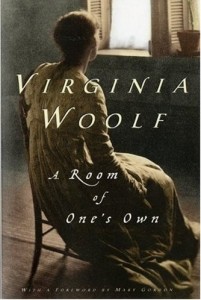
 In 1929, Virginia Woolf rallied that women need a room of their own, not just to be a writer but to be free. Free here is used loosely. Freedom has more to do with creativity and empowerment, which may ultimately be what “freedom” means. I just want to differentiate between “freedom” in the constitutive or religious or new age definitions and what I mean.
I first read Woolf when I was eighteen or nineteen. In the most cliché ways, she totally rocked my world. Back then, I was some suffering, struggling poet—and a very bad poet too! Since then, I make it a point to teach her to my first years, hoping she’d inspire them to think critically, in the same ways she’s inspired me. And she did inspire me: I believed her. I believed I needed a room of my own to write, to be a good writer.
But driving through the Cambodian countryside—countryside here being a very poor translation. Here’s the problem with language, yeah? I say countryside to many Westerners, 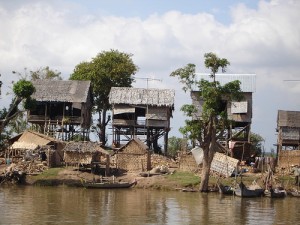 and they (WE) think of pastoral cowfields or quaint little bed & breakfasts—I’m reminded of Woolf and her call for a room. See: the houses in Cambodia sit on stilts (which is utterly irrelevant to my point, more of a cool observation) and they don’t have any doors, or rather, if they do have doors, they’re never closed. Driving by, anyone can see straight through the houses, which are more like shacks. They’re small, no bigger than my two bedroom apartment, and there aren’t even walls to differentiate personal, individualized space.


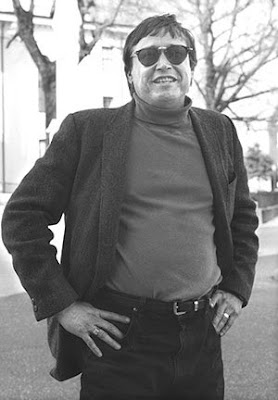 Below are a few eulogies, remembrances, encomia, etc. for the late Barry Hannah. No introduction needed. Thank you, Barry.