Here is an excerpt from Memoirs of Peasant Tolstoyans In Soviet Russia (Indiana University Press):
In our village of Burdino there were fistfights three times a year- in December and January, on Shrove Tuesday in February, and at Easter, in April. The village was divided in half, and on Shrove Tuesday village fought village–Burdino and Terbuny. I also took part in those fights. Our priests said that fistfights were not bad: men got training from them and would be bolder and more active in war. The fights began with boys, then with teenagers, then grown men, and after that even bearded old men. Once the old men gathered close together like a wall and pushed me up against one of the strongest old men from the other side. I knocked him down, and from that time on they considered me a strong man. They said, “How he knocked over that big granddad!” It was the rule that you should never beat a man who was lying down, whether he was knocked down or whether he fell by himself, but sometimes they would agree to hold the very strongest men up by the armpits, and other strong men would not let them fall down and would keep beating them. Sometimes the outcome was fatal. Once a wealthy shopkeeper offered two buckets of vodka to the side that won. No fewer than three thousand men got together for the brawl. Our village won that time.
 I think when people talk about existentialism, they are talking about one of two things: the actual philosophy, and—more generically—books that ‘feel’ and are labeled as being existentialist.
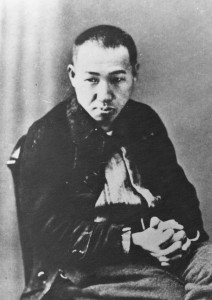 Miyazawa Kenji began existence in 1896 and stopped existing in 1933. He wrote chldren’s stories and poetry. I am not going to elaborate why I like him or why I think you should read him.

 I have an extra copy of Diana George’s