
 An Old Junker: a senior represents
by Howard Junker
IF SF Publishing, 2011
144 pages / $10.00 Buy from IF SF Publishing
Rating: 8.7
Imagine that Holden Caulfield survived his adolescence to become a mid-century man of letters, knew some of the good writers, wrote for some of the good magazines, then headed West to found and edit an adventurous arts journal. Imagine that he rereads the best of the 20th century canon for pleasure and chooses to publish new generations of poets, storytellers, photographers and graphic artists solely on the recognizance of his own eclectic taste. Okay, maybe he’s inordinately proud of the prep school and undergrad classmates who made big waves in the culture that used to be, but he’s also willing to stick pins in the pretenders and tell stories on himself.




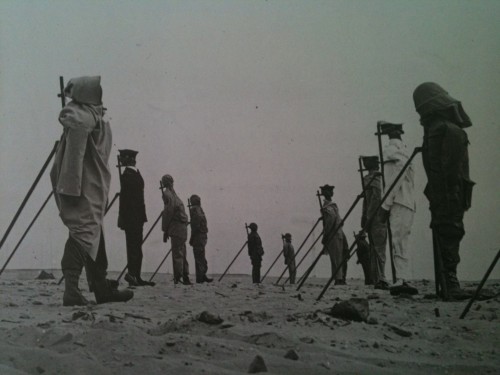

 March of this year we were in the desert and, like Stephen Crane’s famous creature, we were bestial and squatting; maybe we were naked as well. It’s possible—we were on one drug or another, and memory is strange. I did not hold my heart in my hands but a shotgun. We had bought a box of old records from a flea market on the way down and were taking turns tossing them up in the air and making it rain black diamonds, fragments of song titles and run times. We had liquor, and music, and all five of David Mitchell’s novels—Ghostwritten, number9dream, Cloud Atlas, Black Swan Green, and The Thousand Autumns of Jacob de Zoet. I brought along the audiobook versions as well, as we were staying the night and planned on being too insensate before long to do any actual reading.